
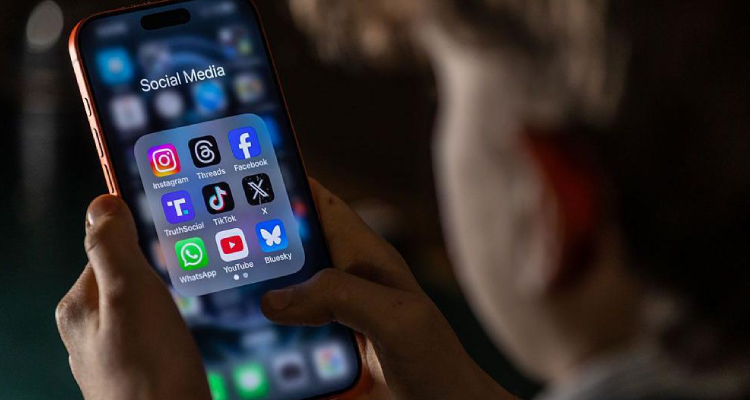
Social media has transformed how people communicate, shop, learn, and build communities. Yet despite its influence, misconceptions about social media continue to shape opinions, strategies, and behaviors. From businesses assuming instant success to users believing everything they see online, myths about social media can lead to poor decisions and unrealistic expectations.
In this article, we’ll uncover 13 common myths about social media and separate fact from fiction.
1. Social Media Is Only for Young People
One of the oldest myths is that social media belongs exclusively to teenagers and young adults.
Reality tells a different story. People of all age groups actively use social platforms. Parents, professionals, retirees, entrepreneurs, and educators rely on social media to stay connected, learn, network, and entertain themselves.
Different demographics prefer different platforms, but social media has become a universal digital habit rather than a youth-only trend.
2. More Followers Mean More Success
A huge follower count may look impressive, but numbers alone don’t guarantee results.
A smaller audience that regularly interacts with your content can be more valuable than thousands of inactive followers. Engagement, trust, and relevance matter more than popularity.
Quality connections often outperform vanity metrics.
3. Social Media Success Happens Overnight
Many people believe posting content for a few weeks will suddenly make them famous or successful.
In reality, building a meaningful presence takes time. Successful creators and brands often spend months or years refining content, learning audience preferences, and staying consistent.
Growth is usually gradual, not instant.
4. Every Platform Works the Same Way
Not all social media platforms serve identical purposes.
What works on one platform may fail on another. Professional discussions thrive in some spaces, short-form entertainment dominates others, and visual storytelling succeeds elsewhere.
Understanding platform behavior is essential for meaningful engagement.
5. Social Media Is Free Marketing
Technically, opening an account costs nothing. However, effective social media marketing often requires time, planning, creative effort, tools, and sometimes paid promotion.
Businesses invest resources into strategy, content creation, analytics, and customer interaction to produce measurable outcomes.
“Free” rarely means effortless.
6. Posting More Always Means Better Results
Flooding feeds with constant posts doesn’t automatically improve performance.
Too much content may overwhelm followers and reduce engagement. Consistency matters more than quantity. A thoughtful posting schedule with valuable content often performs better than nonstop updates.
People value relevance over repetition.
7. Negative Comments Always Hurt Your Reputation
Many assume criticism on social media automatically damages credibility.
Surprisingly, negative feedback handled professionally can improve trust. Responding calmly, addressing concerns, and showing accountability demonstrate transparency and customer care.
How you respond often matters more than the criticism itself.
8. Social Media Is a Waste of Time
This myth depends entirely on how people use it.
Mindless scrolling may waste time, but social media can also educate, inspire, entertain, and create opportunities. Businesses gain customers, professionals expand networks, and creators build careers through social platforms.
Like most tools, value depends on usage.
9. You Must Be Active on Every Platform
Trying to dominate every social network often leads to burnout.
Instead of spreading yourself too thin, focus on platforms that align with your goals and audience. A strong presence in a few relevant places usually works better than weak activity everywhere.
Strategy beats overload.
10. Viral Content Equals Long-Term Success
Going viral can bring attention, but temporary popularity doesn’t guarantee sustainability.
Many accounts experience sudden spikes in views without building lasting audiences. Long-term success comes from consistency, trust, and delivering value repeatedly.
Virality is a moment; credibility is a process.
11. Everything on Social Media Is Fake
While misinformation exists, dismissing everything online as fake is inaccurate.
Social media contains expert insights, educational communities, firsthand experiences, and reliable updates alongside misleading content. Critical thinking matters more than blind trust or total skepticism.
The smartest approach is verification.
12. Businesses Don’t Need Social Media
Some businesses still believe social media is optional.
Even small local brands benefit from visibility, customer interaction, reviews, and community engagement. Social platforms help companies showcase products, answer questions, and maintain relationships with customers.
In many industries, social presence influences trust.
13. Social Media Replaces Real Relationships
A common fear is that social media destroys meaningful human connection.
While excessive use may reduce offline interaction, social media can strengthen relationships across distance, reconnect old friends, and build communities around shared interests.
The key lies in balance. Social media should complement real-world relationships, not replace them.
Final Thoughts
Social media is powerful, but it is often misunderstood. Believing outdated myths can limit opportunities, create unrealistic expectations, or lead to poor digital habits.
Whether you’re an individual, creator, or business owner, understanding the truth behind these misconceptions helps you use social media more intentionally and effectively.
The next time you hear someone say social media is “just for kids” or that success comes instantly, remember this: the reality is far more nuanced than the myths.


